
Background and Context
Family farms account for more than 9 out of 10 farms in the EU and are central to
European food security and the resilience of rural communities. The agricultural sector
is experiencing its fourth revolution, Agriculture 4.0, characterised by smart farming
tools such as big data-based tools, the Internet of Things, robotics, and artificial
intelligence. Big data tools are expected to have a major impact on agriculture and
possibly change the way farming is done today. However, concerns have been raised
that these tools could increase the power divide within farming, and in turn be a
disadvantage for smaller farms rather than a beneficial addition enhancing their
sustainability and resilience.
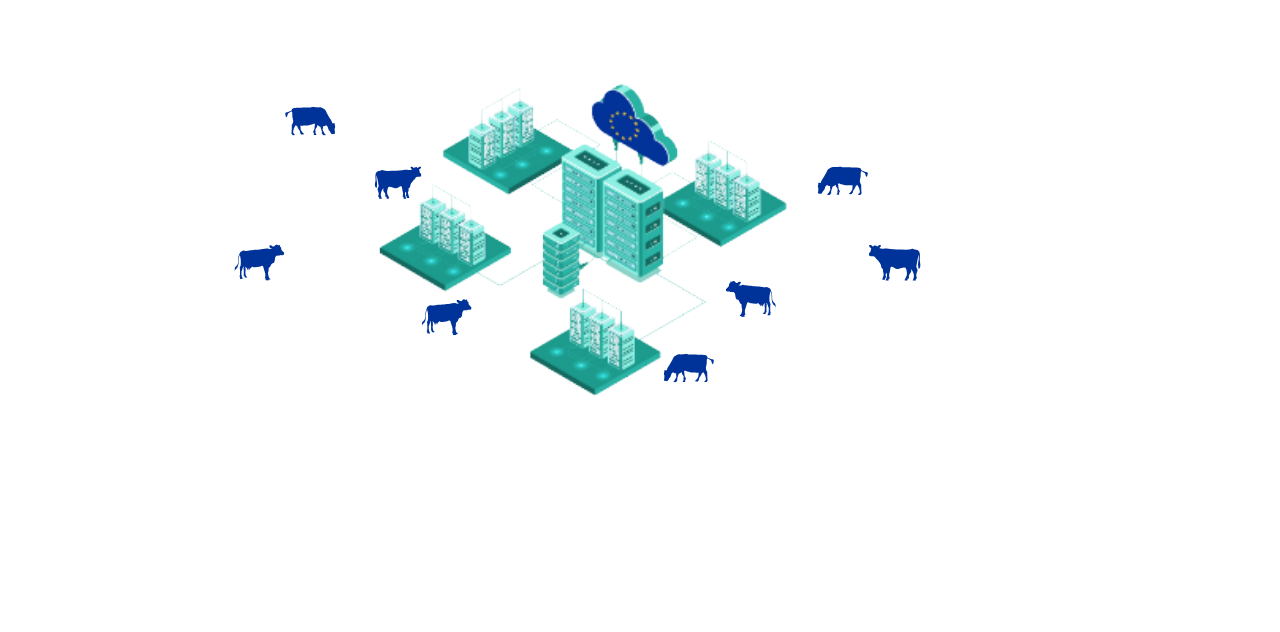
The HoliCow project directly addresses this by developing a free big data tool for small
and medium-scale dairy farmers through a co-design process with farmers. These
policy recommendations present recommendations drawn from a study conducted as
part of the project.
What the Study did
This study aimed to inform the development of tools that actively involve family farmers
in the creation process by exploring the following research questions:
- What are family farmers' attitudes towards participating in the co-design for big data tools?
- What skills and support are needed by family farmers to adopt big data tools?
- What are family farmers' needs and wants from big data tools?
- What are family farmers' concerns and perceived benefits towards current and future use of big data tools?
A mixed-methods approach was used. Semi-structured interviews with North-West European dairy family farmers (n=4 family farm interviewees) participating in the HoliCow co-design process were conducted to explore research questions 1 and 2, while a Europe-wide online survey questionnaire (n=19 family farm respondents) addressed research questions 3 and 4.
Key Findings
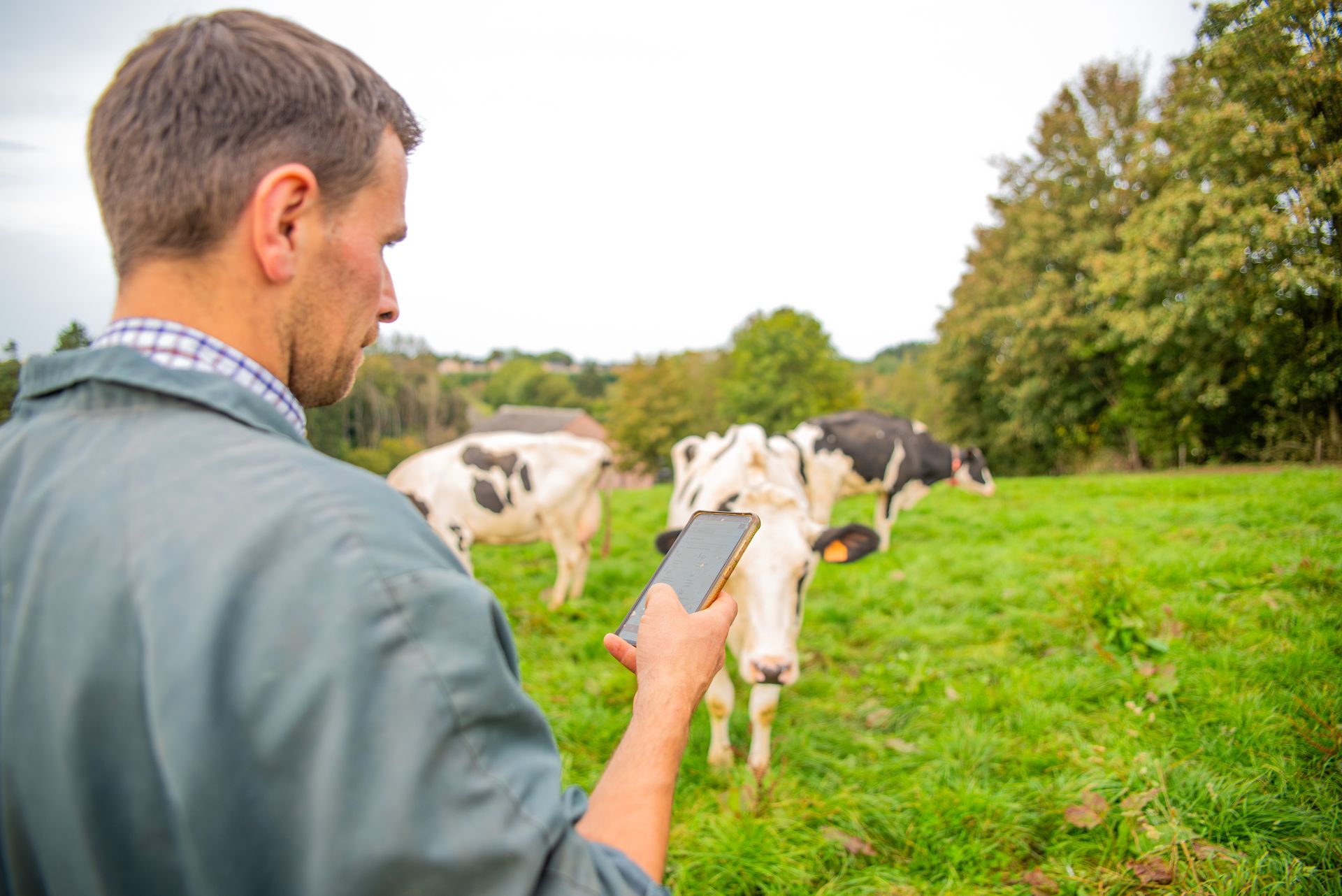
Farmers understand their crucial role in the co-design process and want to participate. The main barrier to engagement is farmers' constant time pressure and limited free time. A specific challenge for publicly funded projects is that deliverables are already outlined in the proposal, meaning farmers' input and influence are restricted.
There is a lack of adequate training, support, and general awareness of big data tools among family farmers. A key reason is that farmers are preoccupied with administrative work and policy changes, leaving little time to seek further information.
The cost of big data-based tools was the most frequently cited barrier to adoption. Many farmers find that the initial costs are too high to justify the investment to adopt these tools without knowing what the practical impact and benefits will be on their farms.
However, for farmers already using big data-based tools, the impact is reported to be significant and positive, with improved livestock management, increased productivity, and better decision-making among the top benefits.
Recommendations
For publicly funded projects, increased flexibility during the project timeline is needed to ensure farmers' inputs can be utilised and influence the project development and outcomes.
Increased agricultural policy initiatives are needed to promote the use and adoption of big data tools for family farmers. Emphasis should be put on return of investment, showcasing the potential benefits of enhanced uptake for family farms – highlighting that the long-term cost of not adopting these tools may be higher than investing in them now. However, this needs to be done in a way that safeguards family farms and does not promote private companies' interests over family farms.
Further research should be funded to examine best practices for big data-based tools co-design processes that engage family farmers, and how these processes can be developed to better suit the farming context, for example, in order to specifically tackle the challenge of farmers’ limited free time.